Disinfectants and Sanitizers:
- Healthcare: DDAC is widely used in hospitals, clinics, and other healthcare facilities to disinfect surfaces, medical equipment, and instruments. Its broad-spectrum antimicrobial properties make it effective against bacteria, viruses, and fungi, ensuring a sterile environment to prevent the spread of infections.
- Food Processing: In food processing plants, DDAC is essential for sanitizing surfaces, utensils, and equipment used in the preparation of food. Its use helps to eliminate harmful pathogens and ensuring food safety and maintaining high hygiene standards during production.
- Public Spaces: Schools, offices, gyms, and other public areas benefit from the use of DDAC in surface disinfectants. Its ability to kill a wide range of microorganisms helps to keep these high-traffic spaces safe and free from harmful germs that could spread illnesses.
2. Water Treatment:
- Cooling Towers: DDAC plays a crucial role in water treatment systems. Particularly in cooling towers where by controlling microbial growth in the cooling water. This ensures optimal performance, prevents scaling, and reduces the risk of harmful bacteria like Legionella that can thrive in warm water environments.
- Swimming Pools: In swimming pools and DDAC is used as both an algaecide and disinfectant. It helps maintain water quality by preventing the growth of algae and killing harmful microorganisms. Ensuring that the water remains safe and clear for swimmers.
3. Agriculture:
- Animal Husbandry: DDAC is applied to disinfect animal housing, equipment, and transport vehicles in livestock operations to reduce the risk of disease transmission. Its use in this context helps prevent the spread of infectious diseases among animals, ensuring better animal health and productivity.
- Crop Protection: In agricultural facilities such as greenhouses also
- DDAC serves as a disinfectant to protect crops from microbial contamination. It is used to sanitize equipment and surfaces that come into contact with plants. Ensuring healthier crops and a higher quality harvest.
4. Household Cleaners:
- DDAC is commonly found in various household cleaning products including sprays, wipes, and liquid cleaners. Its antimicrobial properties allow it to effectively kill bacteria and viruses on commonly touched surfaces like countertops, doorknobs, and bathroom fixtures, promoting a cleaner and healthier home environment.
5. Industrial Applications:
- Paints and Coatings: DDAC is incorporated into paint formulations to help prevent microbial degradation. By adding DDAC, manufacturers can increase the longevity of paints and coatings. Ensuring they remain resistant to mold also mildew and other forms of microbial damage, especially in humid environments.
- Textiles: DDAC is used in textile finishing processes to impart antimicrobial properties to fabrics. This application is especially important for fabrics used in environments that require hygiene, such as uniforms, bedding, and upholstery. As it helps to prevent bacterial growth and unpleasant odors.
6. Personal Care Products:
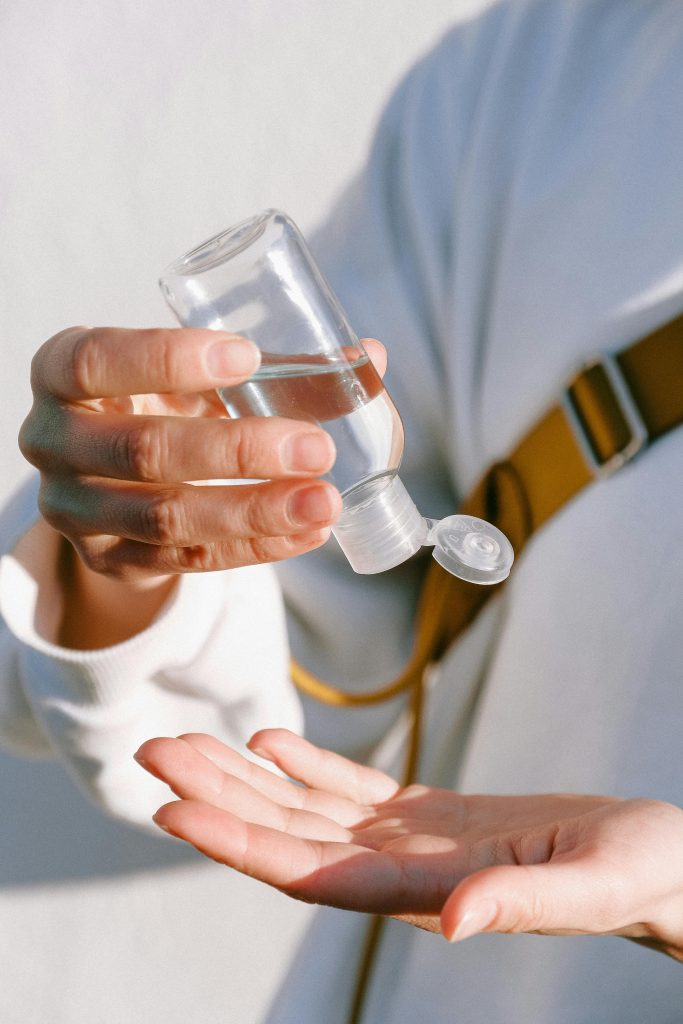
- In low concentrations and where DDAC is included in personal care products such as hand sanitizers and disinfecting wipes, it provides antimicrobial action. As a result, it helps to kill germs, offering users an effective way to sanitize their hands and other surfaces. This is particularly useful in settings where water is not readily available.
7. Veterinary Disinfectants:
- DDAC is also used in veterinary clinics, animal care facilities addition to shelters to disinfect surfaces, instruments, and equipment. Its effectiveness in killing harmful bacteria, viruses, and fungi helps maintain a clean and safe environment for animals and staff, reducing the risk of cross-contamination and spreading of diseases between animals.
To learn more about DalGQ-2280 and its features Visit: https://ddac.co.za/2024/08/20/what-are-the-key-features-and-benefits-of-dalgq-2280/
Visit Our Main Website: https://dalgica.com/